That’s the sound of the men working on the chain gang dead hedge.
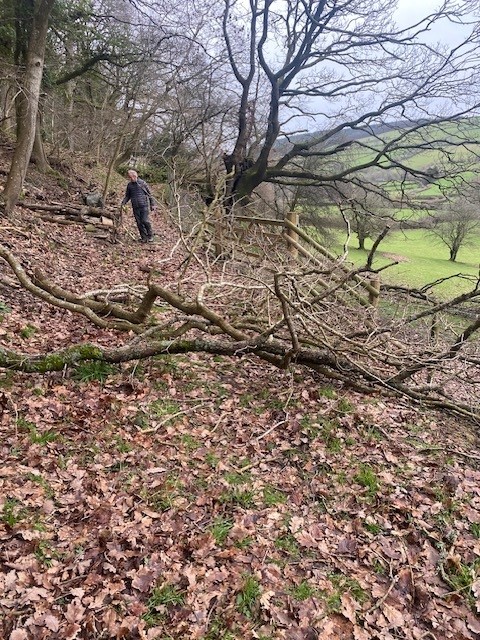
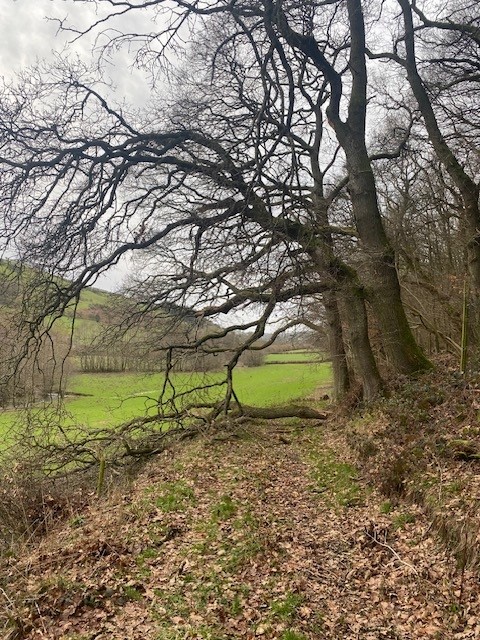
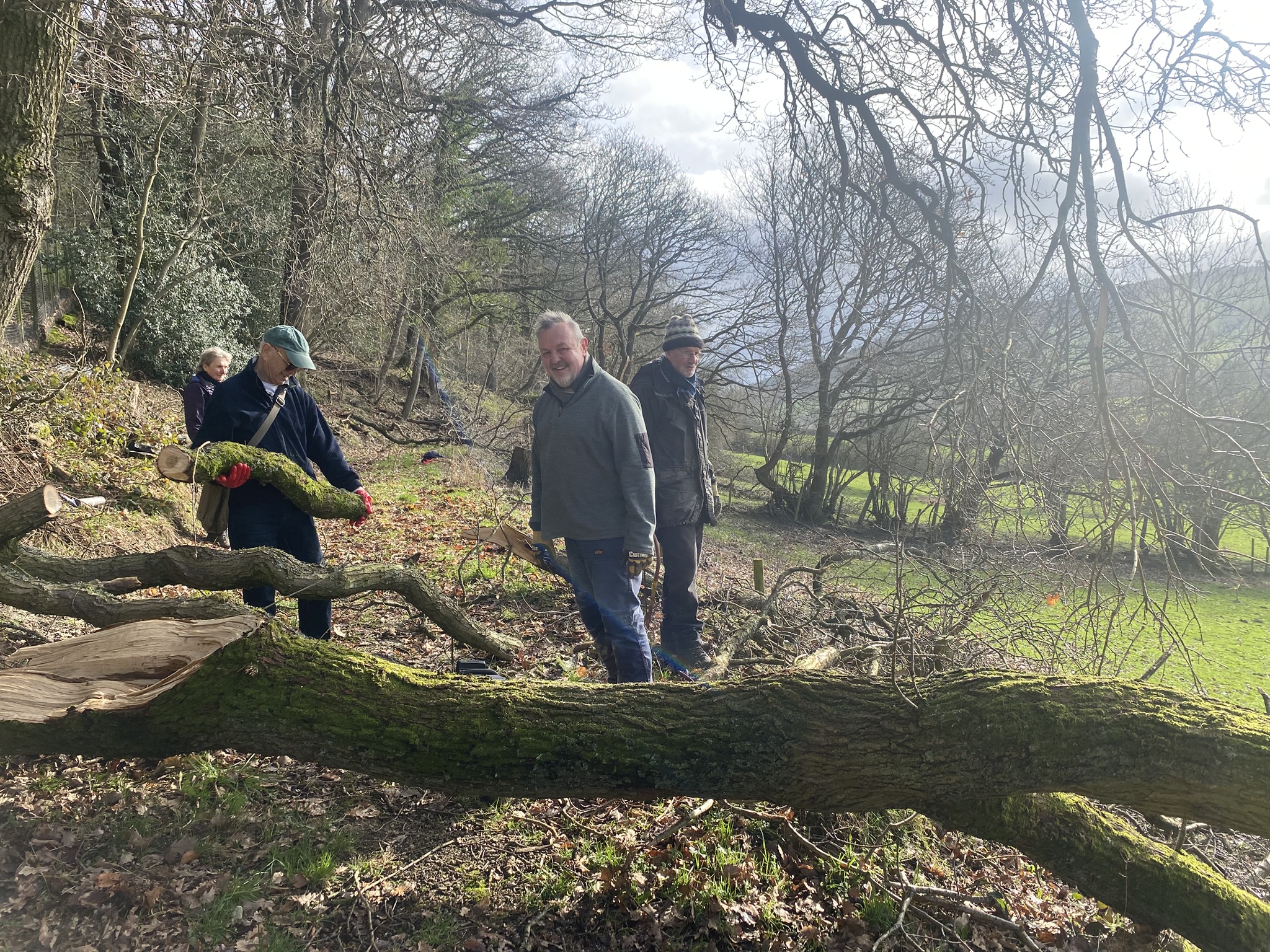
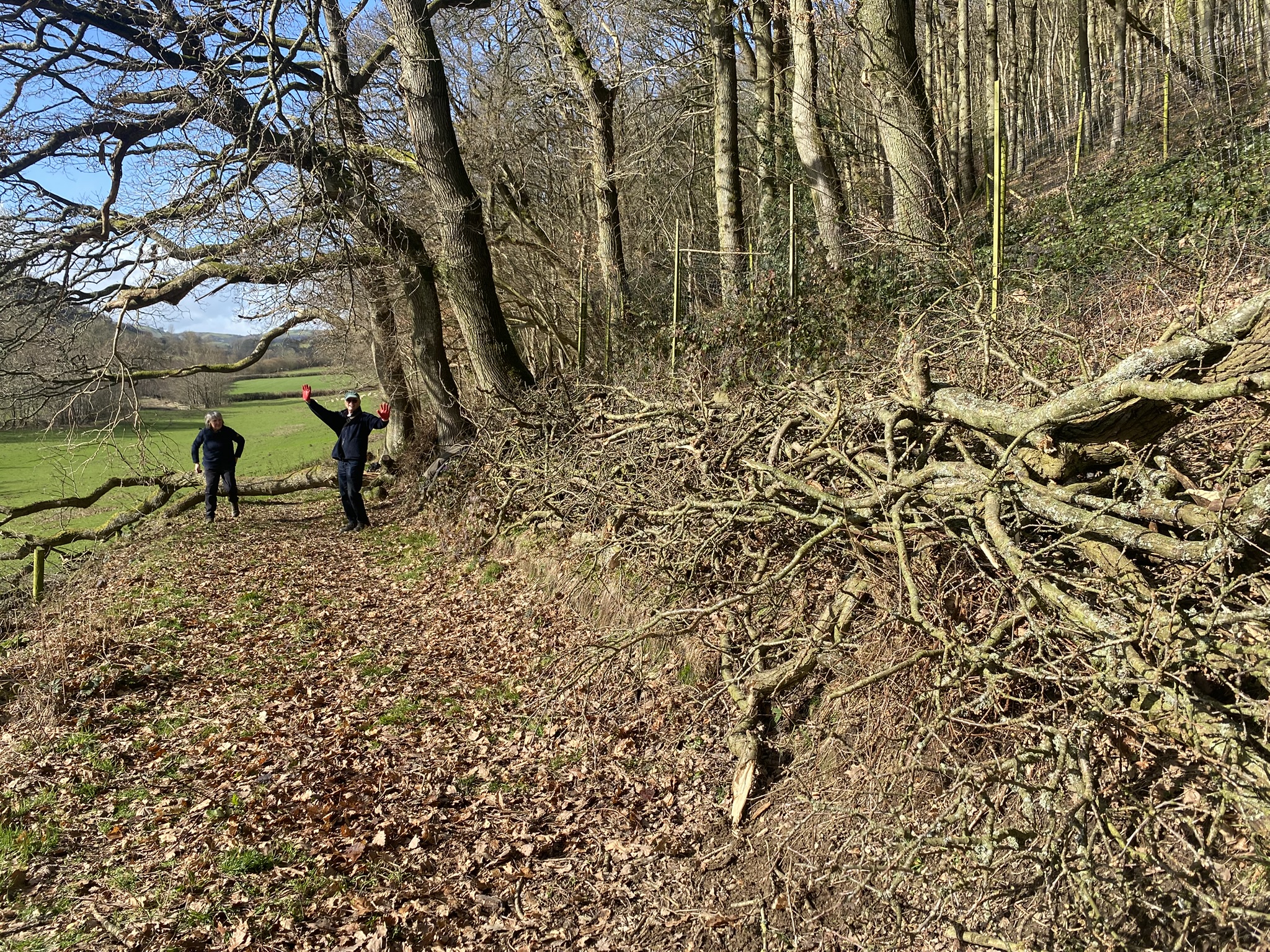
Which is exactly what twelve of us did on a sunny Sunday 22nd March in order to clear the debris of a fallen tree (with apologies to Sam Cooke).
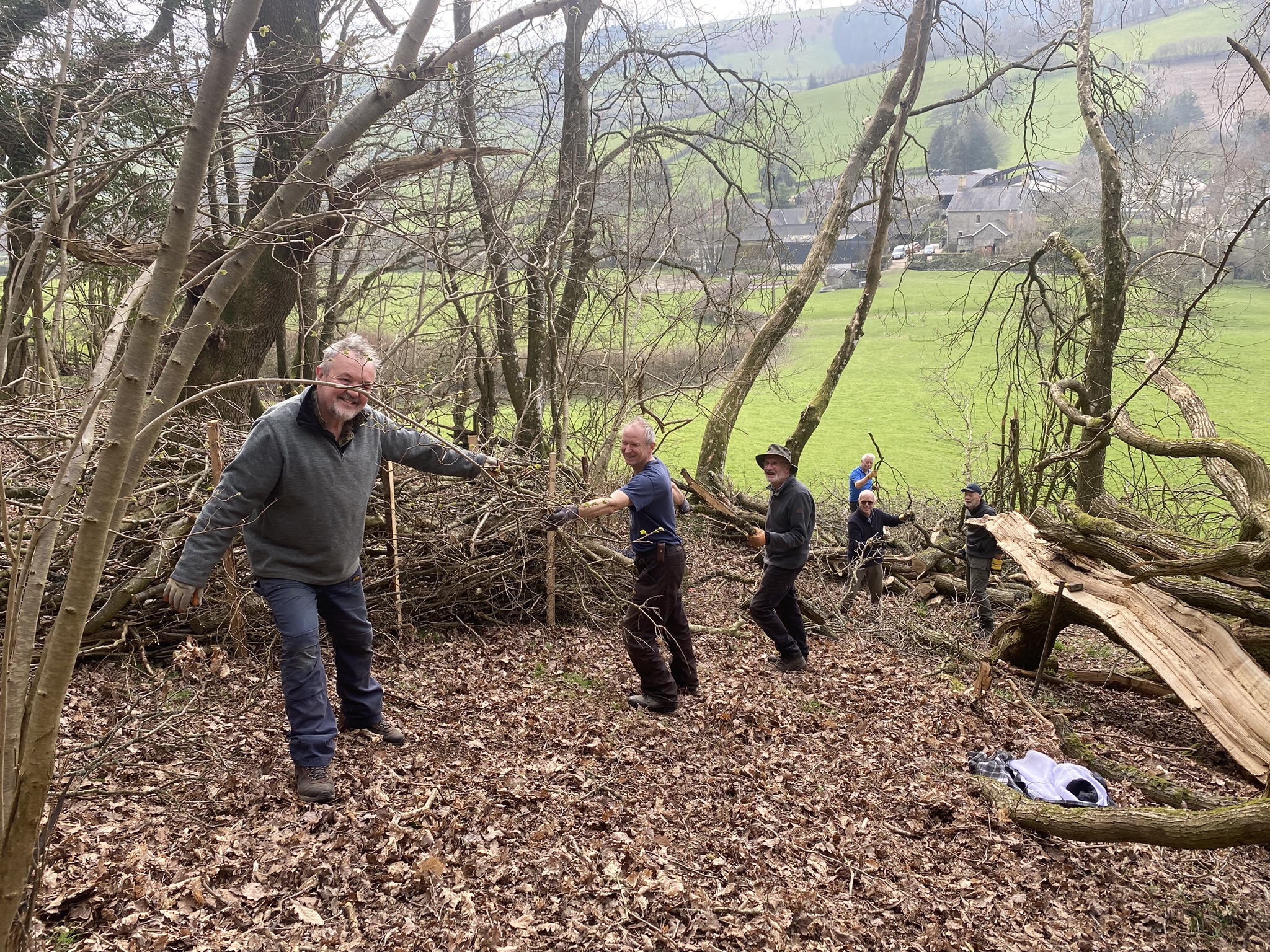
That’s the sound of the men working on the chain gang dead hedge.
Which is exactly what twelve of us did on a sunny Sunday 22nd March in order to clear the debris of a fallen tree (with apologies to Sam Cooke).
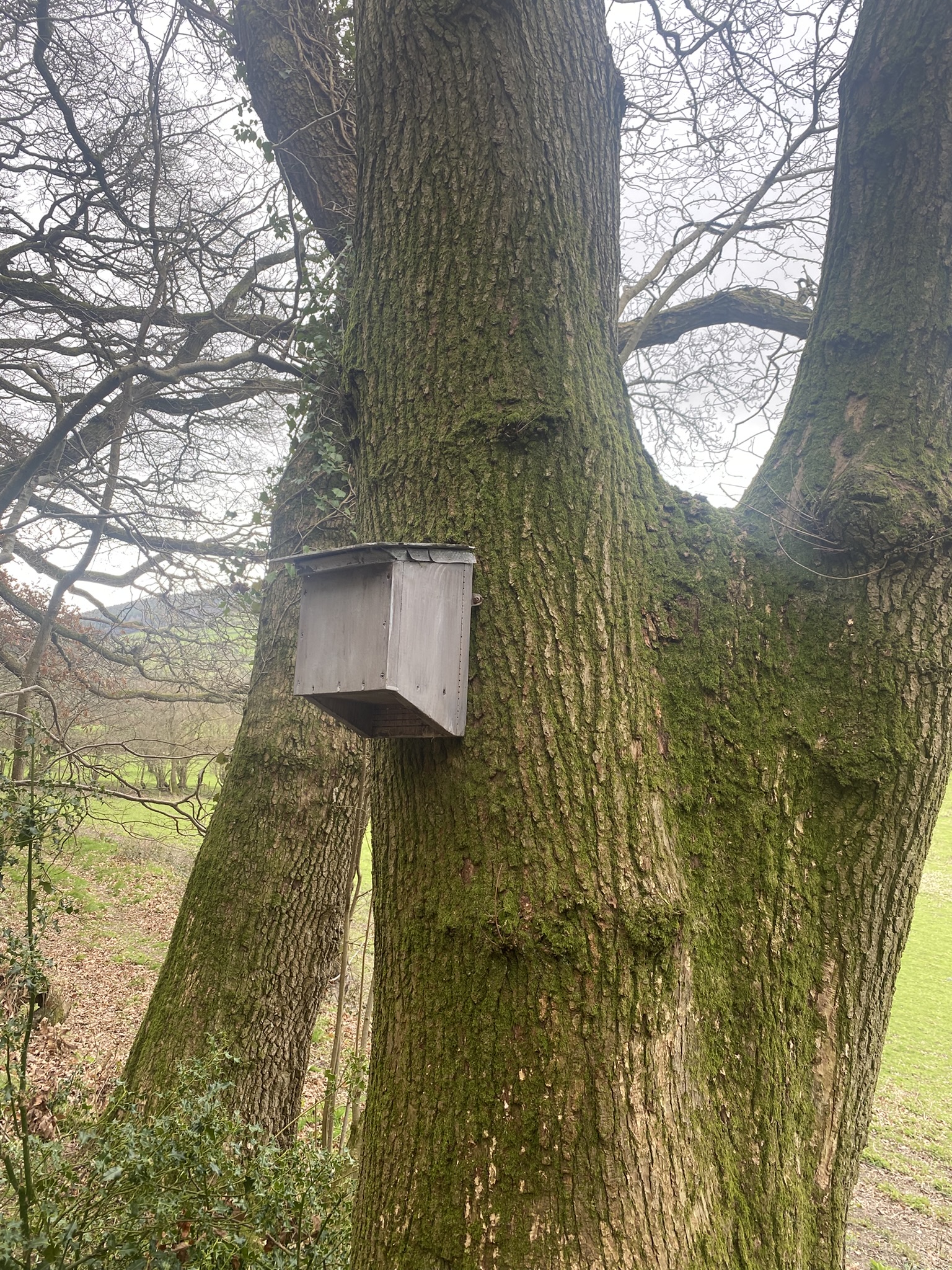
A small work party assembled on Sunday 15th March. Given the recent wet winter and cancelled work parties, there remained much to do before the bird-nesting period impedes our activities. Deer fencing had to be repaired, ground cleared to help the red-listed Spreading Bellflower, a tree that had fallen across the public footpath was sawn up, and a new dead hedge started to mark the boundary with a neighbour’s quillet. We also installed a bat box that had been kindly donated by a shareholder.
Another work party is scheduled for this coming Sunday, 22nd March. All are welcome – gather in the Chapel Lawn Village Hall car park at 10.0 am. Coffee and cake will be provided. There is still a lot of work to get through.
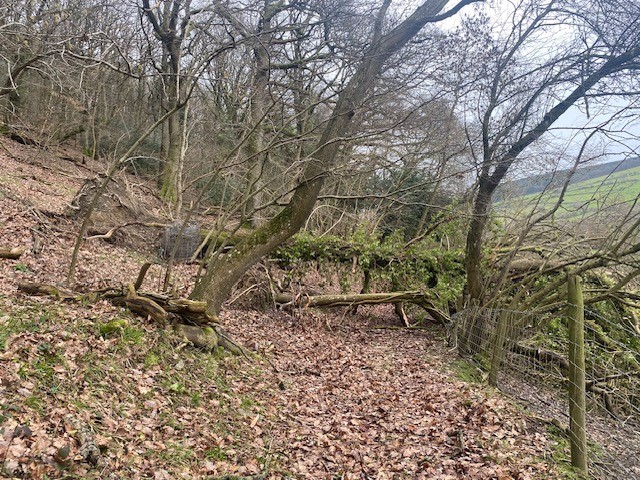
Having had to cancel the last two work parties because of wet weather, it was such a relief to wake up to sunshine on 22nd February. And there was a lot to do. Aside from routine maintenance work of clearing paths and repairing deer fencing, the winter storms had brought down some quite large branches and a couple of complete trees, the latter having squashed the fences of neighbouring landowners.
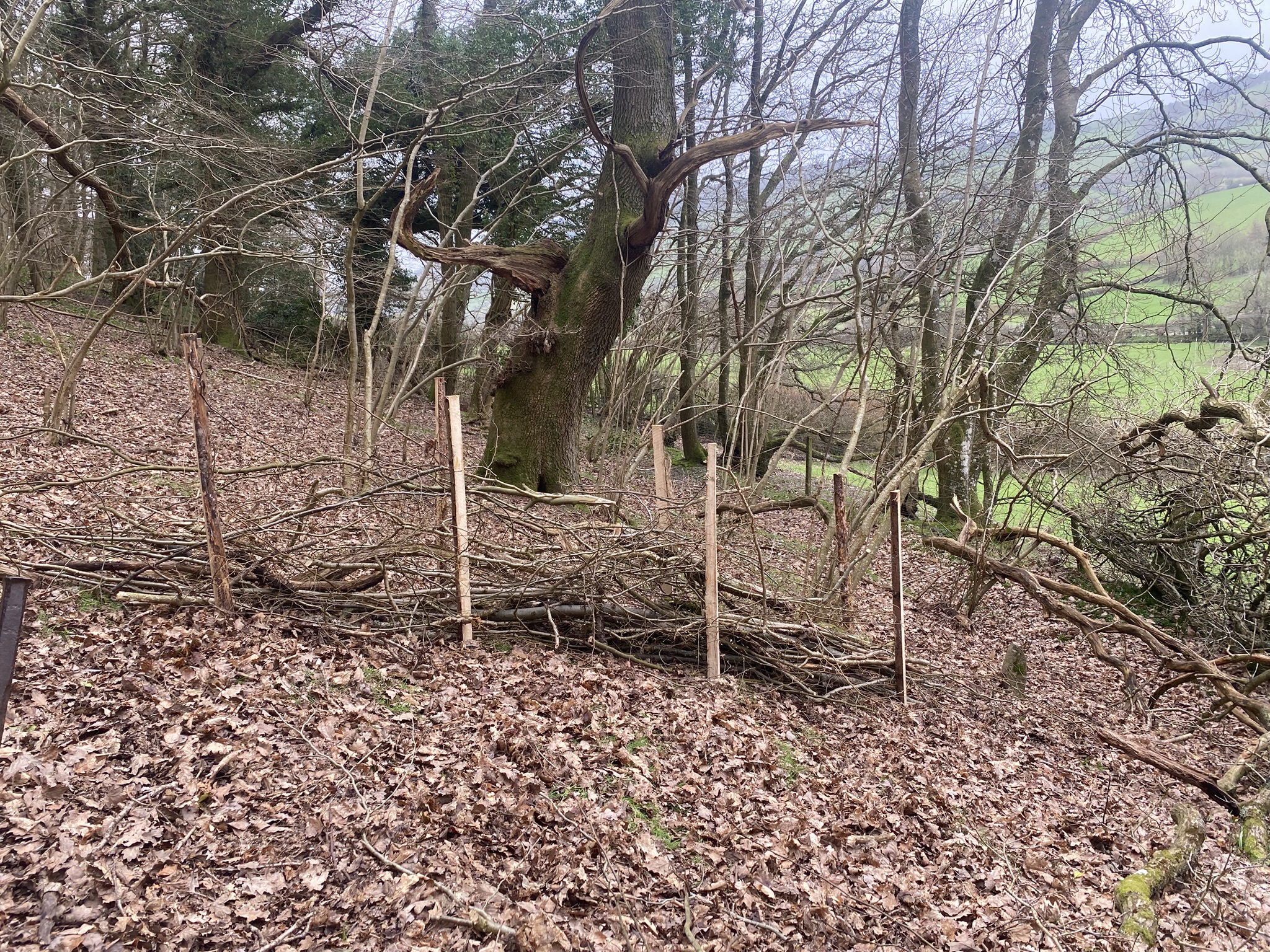
We far from completed the work, but we made a very good start, creating a new dead hedge alongside the public footpath in the process.
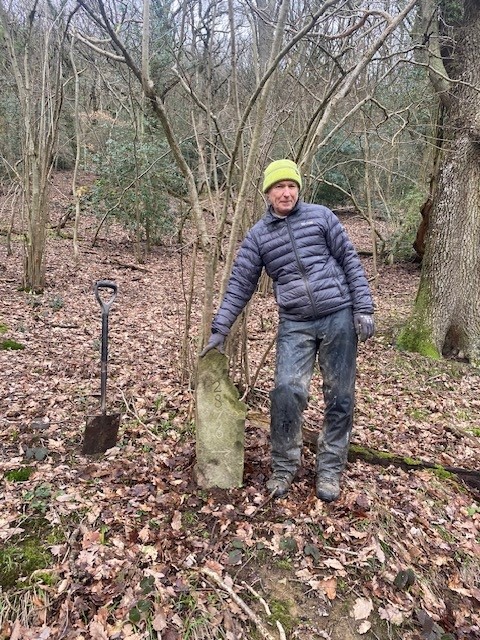
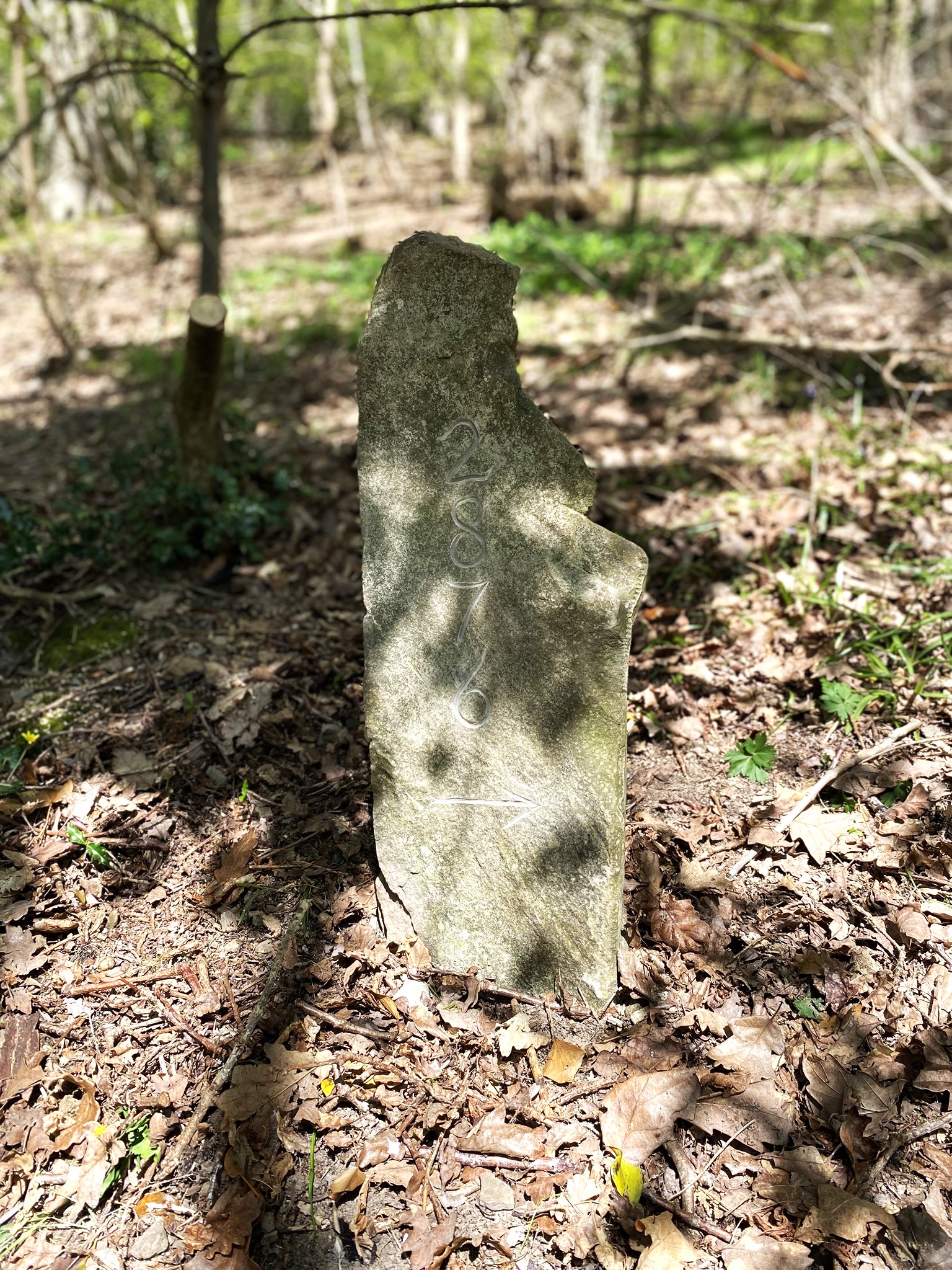
Other jobs included setting up yet more quillet stones, the one shown here to correct the position of quillet number 2876, and the other to mark the boundary with neighbouring quillet number 2875. We’ve also planted a couple Wild Service trees to meet our felling licence obligation of restocking the recent clearing with 20% of species different to Sessile Oak as a hedge (pun deliberate) against climate change and disease.
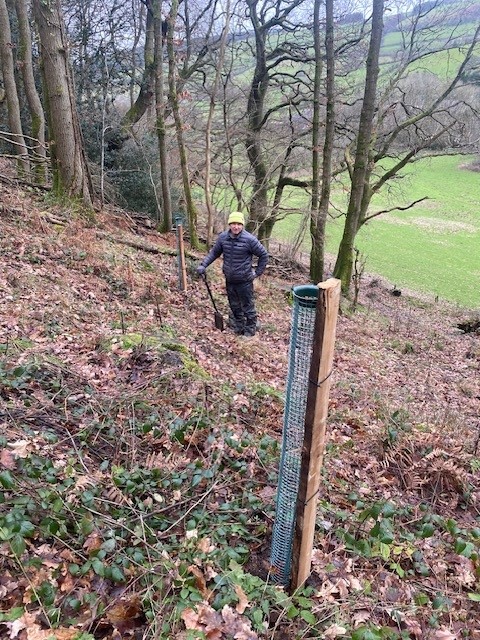
The next work party is scheduled for Sunday 22nd March. New volunteers are very welcome.
A dreadful pun, but just a way of pointing out that the two fenced exclosures/glades in our woodland quillets need to be constantly monitored for damage in order to keep out the ever-present deer. In this instance, Bob James is removing a fallen branch that had created a deer-sized gap in the fence. If the deer had managed to get in, the vegetation you can see to the right of the picture would soon have disappeared and the floor of the woodland would look like the centre and right of the picture.

As well as checking for and repairing damage, there are many other tasks that our volunteer workforce carries out including clearing paths, creating deadhedges for wildlife and clearing obtrusive undergrowth, all fuelled by coffee and cake at half-time. Work parties are generally on Sunday mornings and last for about three hours – meet at 10.00 am in Chapel Lawn Car Park, SY7 0BW. We’d love to see new faces, but it’s best to let Mark Limbrick know if you intend to come along as he contacts people in the event of bad weather necessitating cancellation. His email address is redlakevalley@gmail.com
The next scheduled dates are 28th December, 25th January, 22nd February, 22nd March, 26th April.
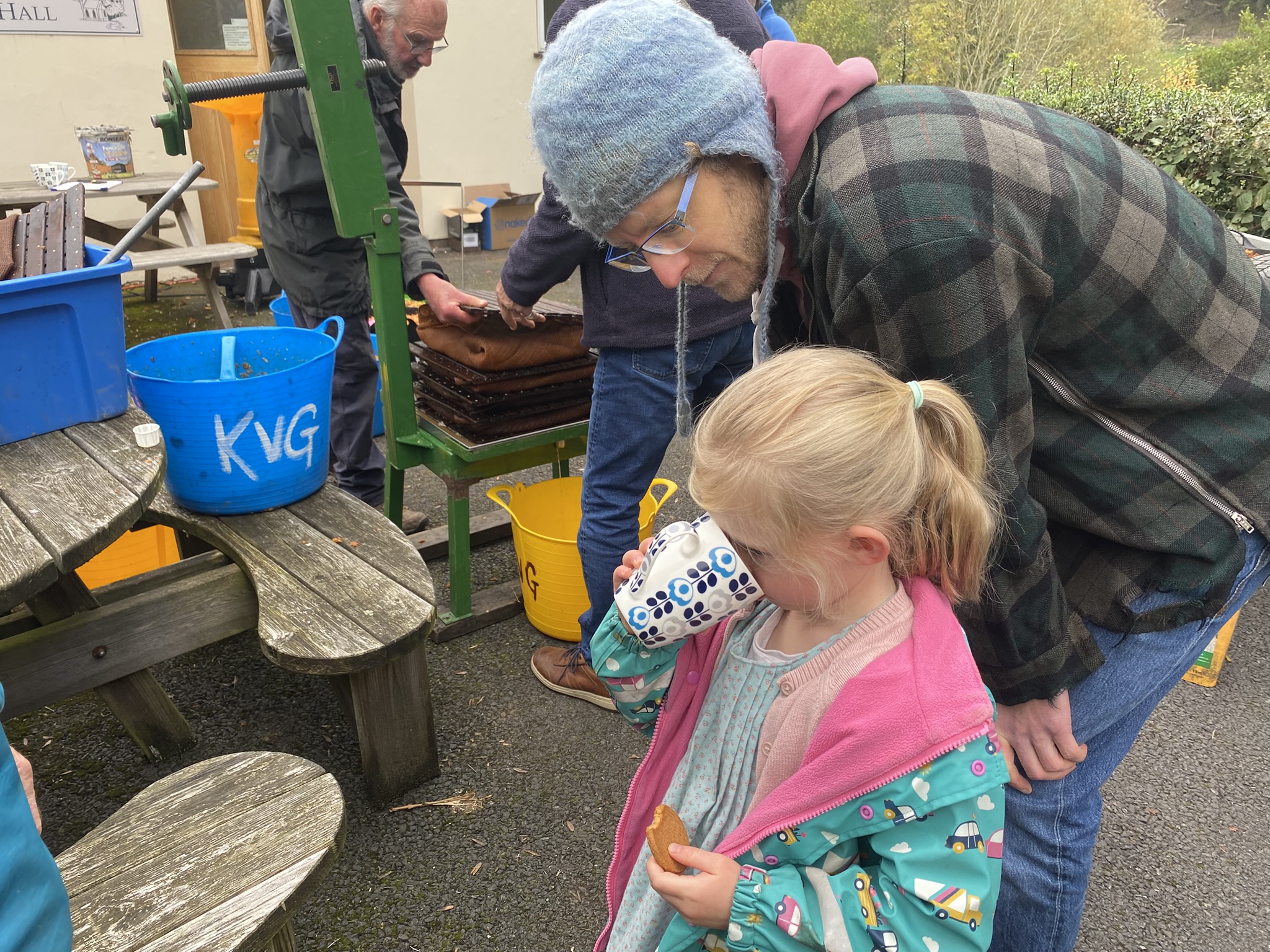
The annual apple-pressing day went well on 12th October with over 400 bottles of apple juice pressed and pasteurised and more than £400 raised to help fund future work.

Earlier this year the Society contracted with Wild Borders Ecology to conduct a survey of its two quillets and surrounding areas with a view to assessing the impact of our interventions on biodiversity. More specifically, an area of recent felling is being compared with adjacent, very similar but untouched pieces of woodland.

What’s been done so far?
In short: The survey is showing promising signs that woodland restoration at Brineddin Wood is boosting plant variety and insect life, but the data still needs to be fully analysed before firm conclusions are made.


Here is forward notice of two upcoming events. More detail will be posted in due course.
On the evening of Thursday 2nd October: the Society’s AGM at Chapel Lawn Village Hall will be followed by a tree and woodland-themed quiz. Open to all: teams of up to four people; £5 entry per team.
Sunday 12th October 9.30 am to 3.00 pm: Apple pressing at Chapel Lawn Village Hall.
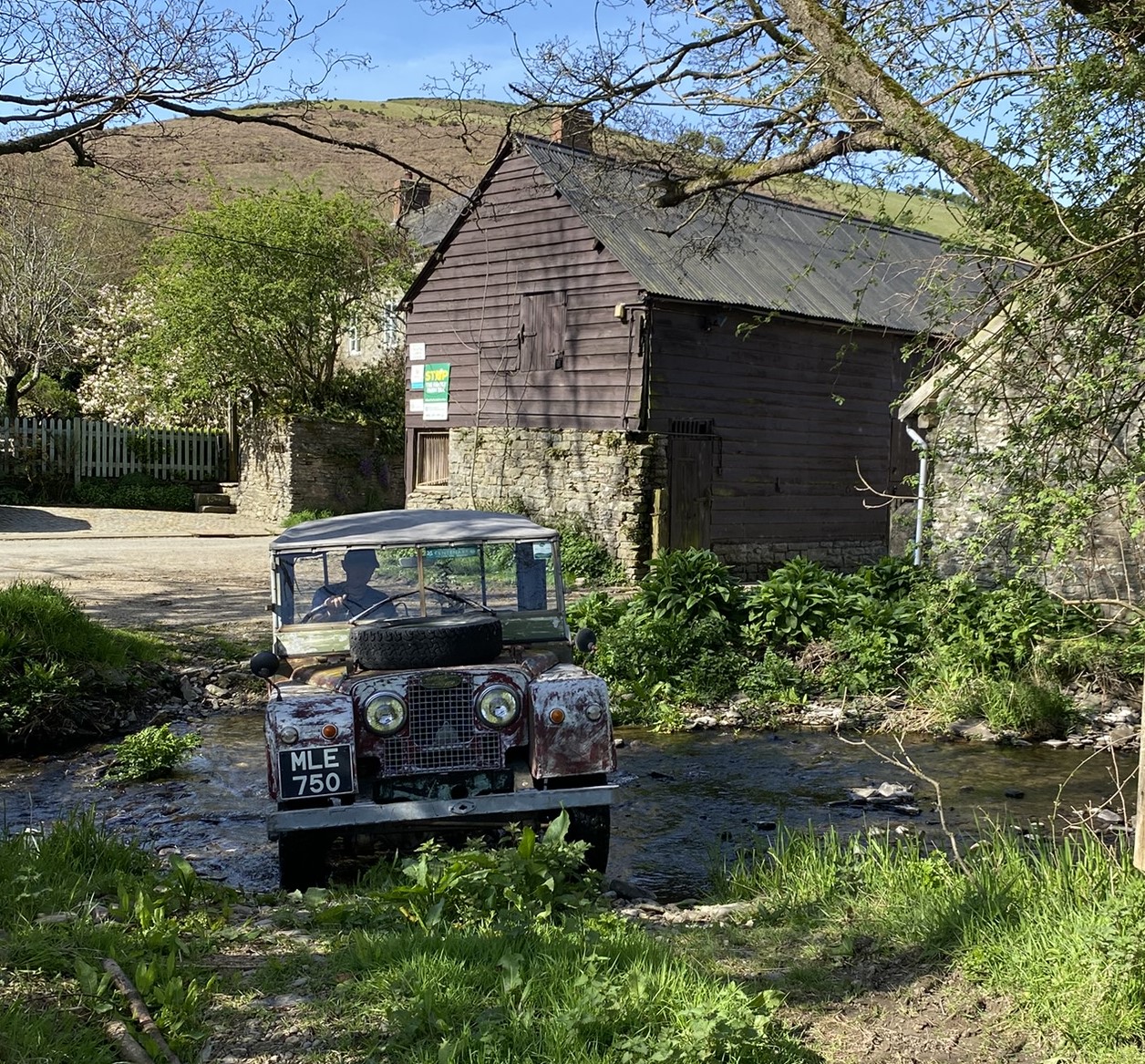
Seven volunteers turned out for the final work party of the season last Sunday on a perfectly cloudless spring day. Having no Bob James and his quad bike with us that day, Simon Jameson fired up his 1951 Land Rover to ferry tools and another quillet stone across to the wood, and very picturesque it looked as I’m sure you’ll agree.
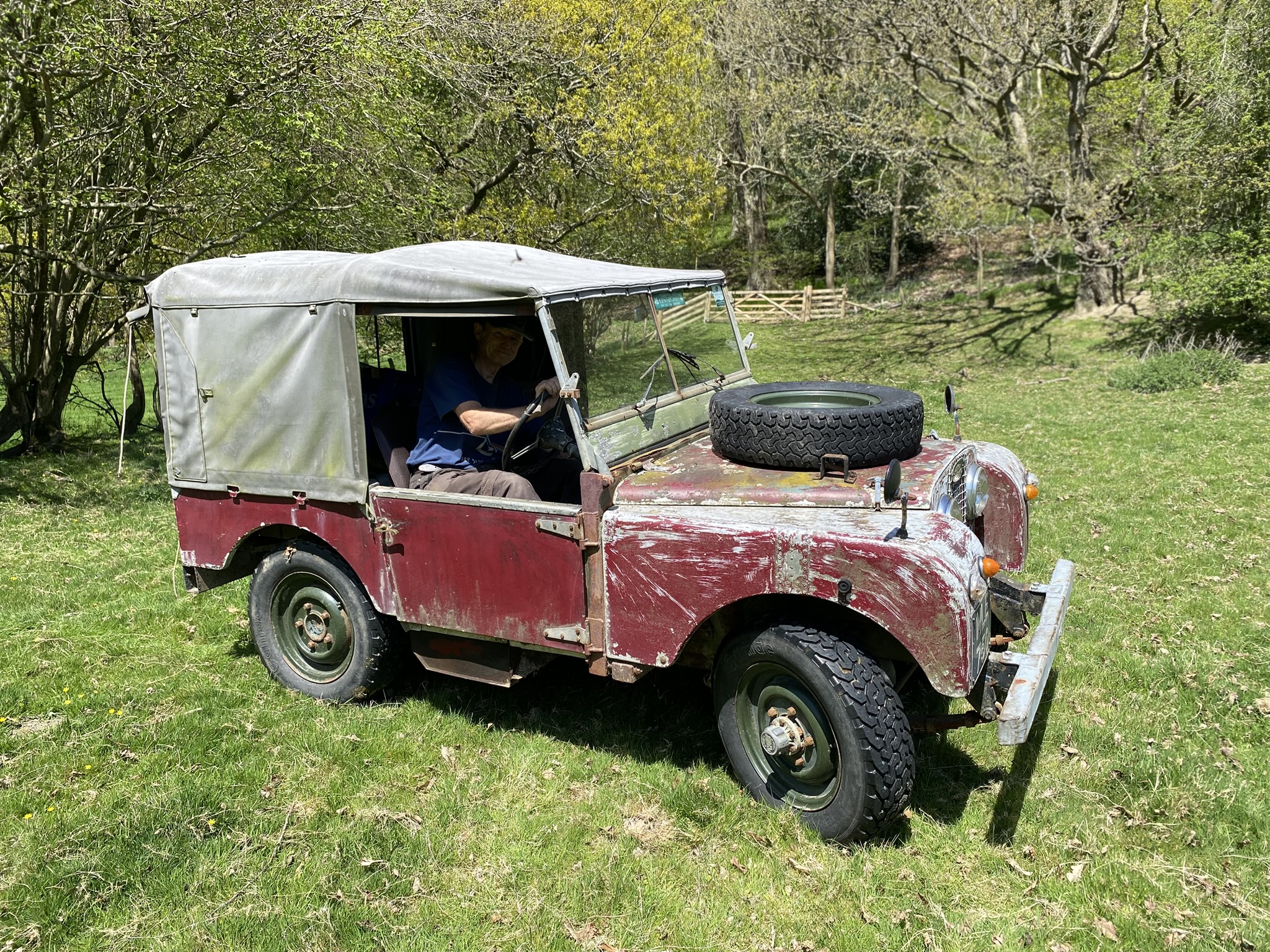
Work involved installing the seventh new quillet stone (no. 2876), dead hedging, repairing a stretch of deer fencing in the new clearing, removing an obstacle from the public footpath, and clearing vegetation that was choking the older deer fencing we had erected in 2017. Things were generally looking good in the quillets. In the original exclosure, the young hazel appeared to be thriving. The Millennium (Pedunculate) Oak we’d planted half way up the rustic steps last year was breaking into leaf, as was the small elder bush we’d very recently transplanted close to the footpath.

Inside the new clearing, the stools of the oaks we had felled in 2023 were thrusting new shoots skywards, and everywhere there were tiny oak seedlings battling for space and light.

The coming months will be an instructive period as we watch with interest how young oaks and the ground flora establish themselves in the new clearing. Watch this space for future news.
 Redlake Valley Community Benefit Society